
A beginner does not need a fully stocked dance bag. The better approach is to identify what could interfere with class or practice, then buy only the item that solves that problem.
For most beginners, the immediate priorities are class-approved footwear and clothing, water, secure hair supplies when needed, and a simple way to carry used gear. Equipment for conditioning, recording, support, or floor protection belongs further down the list unless the class or practice setting creates a specific need.
Accessories can support comfort, hygiene, organization, and practice review. They cannot replace instruction, appropriate technique, gradual progression, or recovery.
Start With the Problem, Not the Product
Before shopping, write down the practical problem you are trying to solve. “I am starting ballet” is not yet a buying reason. “My studio requires canvas ballet slippers” is. This distinction reduces the chance of purchasing the wrong shoe, an unnecessary starter bundle, or equipment that the studio does not permit.
Use the following problem-to-purchase sequence:
- Confirm the setting: Will the item be used in a studio, at home, while traveling, or during separate conditioning?
- Check the rules: Review the dress code, required footwear, permitted soles, hair expectations, and any restrictions on recording.
- Define the obstacle: Examples include carrying damp clothing, keeping hair out of the face, protecting a floor, or reviewing foot placement.
- Try a no-cost solution: A bag already owned, an existing leakproof bottle, or suitable hair ties may work perfectly well.
- Buy only if the need remains: Choose for fit, function, care requirements, and compatibility—not because an accessory is marketed to dancers.
Footwear is the category most likely to require a class-specific purchase. Street sneakers, dance sneakers, ballet slippers, jazz shoes, socks, and bare feet interact differently with a floor. No single option is suitable for every style or surface.
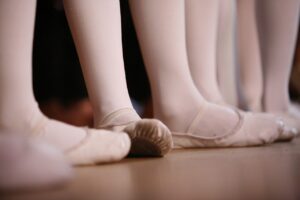
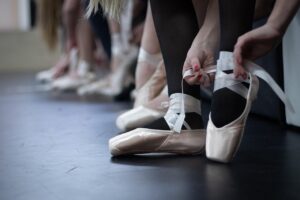
Confirm the required shoe type before ordering. The studio may also specify leather or canvas, split or full soles, clean indoor sneakers, non-marking soles, or a particular tap design. Pointe shoes are not a general beginner accessory and should only be purchased when directed by the teacher.
When possible, try shoes with the same tights, socks, or foot coverings that will be worn in class. Walk, rise gently onto the balls of the feet, and make a few simple movements. Check for heel slippage, rubbing, pinching, numbness, excessive movement, or toes being forced to curl. Dance shoes may fit differently from street shoes, but they should not be painfully tight.
Fit guidance from retailers such as Discount Dance and brands including Bloch, Capezio, and Só Dança can be useful, but an online chart cannot account for every foot shape. Studio policy and actual fit matter more than the label alone.
Essential, Useful, or Optional? A Beginner Priority Matrix
“Essential” does not mean every dancer must buy a new version of the item. It means the function usually needs to be covered. An existing bottle or backpack may be sufficient.
| Item | Priority | Reason | Buying trigger |
|---|---|---|---|
| Class-approved footwear | Essential when required | The shoe must suit the style, studio rules, and floor. | The studio specifies a shoe or confirms that current footwear is unsuitable. |
| Suitable class clothing | Essential | Clothing should meet the dress code, stay in place, and allow movement without constant adjustment. | Existing clothing does not meet class requirements or restricts movement. |
| Leakproof water bottle | Essential for most classes | It provides convenient access to water without risking spills in the bag. | Use an existing bottle if it closes securely. |
| Hair ties, pins, headband, or hairnet | Essential when needed | Secure hair can maintain a clear line of sight and meet style-specific presentation rules. | Hair falls into the face or the studio requires a particular style. |
| Simple dance bag | Useful | A bag organizes shoes, clothing, water, and personal items. | The bag already owned cannot separate clean and used gear or is uncomfortable to carry. |
| Personal-care pouch | Useful | It keeps small necessities together. | Pack only what is personally relevant, such as tissues, spare hair ties, menstrual products, blister bandages, travel-size deodorant, or normally carried medication. |
| Mesh laundry bag or ventilated shoe compartment | Useful | It helps separate damp clothing or used footwear from clean items. | Used gear regularly shares space with clean clothing. |
| Phone tripod | Optional | Recordings may help with reviewing timing, posture, and foot placement. | Home recordings are already part of practice and the phone cannot be positioned securely. |
| Yoga mat | Optional | It can provide cushioning for floor-based stretching or conditioning. | The practice includes suitable floor exercises; it is not a substitute for a dance surface. |
| Resistance band | Optional | It may support separate conditioning when appropriate exercises and technique have been provided. | An instructor or other appropriate professional has given a clear use for it. |
| Knee pads, tape, braces, compression products, or padding | Optional or guidance-dependent | These are not universal beginner requirements and may be unsuitable for the activity or concern. | The choreography, instructor, or individualized qualified healthcare guidance establishes a genuine need. |
If the budget is limited, cover the essentials in this order: studio-required shoes and clothing, a leakproof water bottle, necessary hair supplies, and a basic bag. Home-practice and conditioning equipment can wait.
Accessories by Practice Setting
For attending class
Pack for the class on the schedule rather than every possible dance situation. The appropriate setup depends on the style:
- Ballet: The studio may require leather or canvas slippers and specific hair supplies. A lightweight backpack with a separate shoe compartment can be convenient, but an ordinary clean bag may work.
- Jazz or contemporary: Requirements may include split-sole jazz shoes, foot undies, socks, or bare feet. Use only what the teacher permits for the floor and choreography.
- Hip-hop: Well-fitting dance sneakers or clean indoor sneakers may be required. Non-marking soles can be part of the studio rules.
- Tap: Confirm the tap style and whether the studio permits tap shoes on its floor before purchasing.
A roomier duffel may be useful for sneakers, optional knee pads, and extra layers, but bag size should follow what is actually carried. Check whether straps are comfortable and whether the material and compartments are easy to clean. A large bag can encourage overpacking; a very small one can make it difficult to separate clean and used items.
Hydration needs vary with activity demands, room temperature, clothing, and individual sweat losses. Water is a practical choice for many beginner classes. Electrolyte tablets and sports drinks are not automatically necessary. Check product labels, particularly when managing a health condition or dietary restriction.
For home practice
Start with space rather than equipment. Remove loose rugs, cords, furniture, and other obstacles. Check the height and width available before practicing traveling steps or arm movements.
The dance surface affects how steps, turns, and footwear feel. A yoga mat may be suitable for some floor-based stretching or conditioning, but it is generally not a replacement for an appropriate dance surface during turns, jumps, or traveling movement.
A phone tripod becomes useful only if recording is already part of a clear review process. A stable shelf may be sufficient at first. When recording in class, ask permission and avoid capturing other participants without their consent.
For travel and commuting
Travel accessories should reduce bulk and keep clean and used items separate. Consider:
- a refillable leakproof bottle;
- a washable or ventilated shoe compartment;
- a mesh bag for damp clothing;
- a compact hair and personal-care pouch;
- protective storage for items that could bend, leak, or catch on clothing.
Do not carry every shoe you own to every lesson. Check the day’s class and pack only the required pair, clothing, water, and personally necessary supplies.
For floor protection
Floor protection is a compatibility issue, not an invitation to buy more padding or portable equipment. Check whether the studio prohibits outdoor shoes, marking soles, taps, or certain heels. At home, avoid assuming that a rug or yoga mat makes an unsuitable floor appropriate for all dance movement.
Clean indoor-only footwear may solve the problem in some styles. In others, the surface itself may limit which movements are appropriate. Confirm both the shoe requirement and floor rule before practicing.
What You Can Usually Skip at the Beginning
Many products are useful only after a specific style, schedule, or practice habit creates a reason to own them. Beginners can usually delay the following:
- Large starter bundles: Packages may include accessories that the studio does not allow or that the dancer will never use. Compare every item with the dress code before buying.
- Multiple shoe options: Purchase the pair required for the current class rather than preparing for styles not yet being studied.
- Pointe shoes: These are not a general ballet starter item and should only be selected when the teacher directs the dancer to do so.
- Decorative accessories: Oversized leg warmers, bulky jewelry, loose belts, and stiff or heavy hair pieces may move, fall out, or require adjustment.
- Specialized hydration products: Sports drinks and electrolyte products are not default requirements for every class.
- Conditioning collections: A set of bands, blocks, mats, weights, and rollers is unnecessary without a defined activity for each item.
- Support products bought for pain: Tape, braces, compression items, and padding should not be used simply to mask pain or make uncomfortable movement possible.
- Dedicated recording equipment: A tripod or camera upgrade can wait until regular recording reveals a positioning or image problem.
- An oversized dance bag: More capacity does not improve preparation if it mainly leads to carrying unnecessary weight.
Appearance should come after function. Breathable or quick-drying fabrics may feel practical during active classes, but check seams, waistbands, fasteners, and closures as well. An attractive item is a poor purchase if it rubs, restricts movement, or needs repeated adjustment.
A Pre-Purchase Checklist for Dance Accessories
Run through this checklist before placing an order or removing tags:
- Is it required? Check the current studio dress code and ask about unclear wording.
- Does it match the dance style? Do not assume ballet, contemporary, jazz, hip-hop, and tap use interchangeable footwear or accessories.
- Is it allowed on the floor? Confirm rules for outdoor shoes, marking soles, taps, heels, socks, and bare feet.
- Does something already owned perform the same function? A basic backpack, bottle, or hair kit may be sufficient.
- Does it fit during movement? Check pressure, rubbing, slippage, pinching, numbness, and whether the item stays in place.
- Can it be cleaned and aired out? Review manufacturer care instructions and consider how used shoes or damp clothing will be stored.
- Is it easy to carry? Consider size, weight, straps, and whether the item makes the bag unnecessarily bulky.
- Is there a clear use for it now? “It may be useful someday” is usually a reason to wait.
- Can it be returned? This matters particularly for shoes, fitted clothing, and online purchases.
- Is the purchase being used to work around pain? If so, pause rather than relying on gear to continue uncomfortable movement.
After purchase, allow damp clothing and shoes to air out, follow the manufacturer’s cleaning instructions, and replace items that no longer fit or function correctly. A mesh laundry bag, shoe brush, or manufacturer-approved deodorizing product may be useful if it solves a recurring care problem. Avoid sharing personal items such as water bottles, used foot coverings, and hair accessories.
Upgrade Only When Your Practice Creates a Real Need
An upgrade is justified when regular use reveals a specific limitation. For example, a new bag may make sense when the current one cannot separate damp clothing from clean gear. A phone tripod may become worthwhile when unstable positioning repeatedly prevents useful practice recordings. A second pair of shoes may be practical when different scheduled classes have confirmed footwear requirements.
Use observable triggers rather than shopping milestones:
- The instructor confirms a new class-specific requirement.
- The current item no longer fits, stays secure, or functions properly.
- A recurring hygiene or organization issue cannot be solved with existing supplies.
- Regular travel creates a genuine need for lighter or more compact storage.
- A home-practice routine consistently includes an activity requiring appropriate equipment.
- The dance style or choreography introduces a need that did not exist at enrollment.
Optional resistance bands or mats should be used only for suitable activities with manageable resistance and appropriate technique. Stop an exercise that causes pain. Accessories cannot compensate for rushing progression, unsuitable technique, or inadequate recovery.
Temporary muscle soreness can occur after unfamiliar activity, but sharp, severe, persistent, worsening, or movement-limiting pain should not be ignored or danced through. Anyone with pain, an injury, rehabilitation needs, recent surgery, pregnancy, significant joint symptoms, or other health concerns should seek individualized guidance from an appropriate qualified healthcare professional before starting or modifying activity.
The useful beginner kit is therefore intentionally small: required footwear and clothing, water, necessary hair supplies, and a manageable bag. Everything else should earn its place by solving a repeated, identifiable problem.
Sources and Safety References
- MedlinePlus: How to avoid exercise injuries — general guidance on activity-appropriate footwear, gradual progression, and symptoms that may warrant stopping exercise.
- American College of Sports Medicine position stand on exercise and fluid replacement — background on how hydration needs vary with factors such as exercise demands, heat, and sweat losses.
- CDC: Physical Activity and Arthritis — general considerations for choosing manageable physical activity when living with arthritis or joint symptoms.
The DanceFit Studio Editorial Team publishes practical, beginner-friendly content about dance fitness, home workouts, dance learning, equipment, and safer practice habits. Our guides are prepared for general educational purposes, with a focus on clear instructions, realistic routines, and accessible information for different experience levels. The content does not provide medical diagnosis or personalized treatment advice.